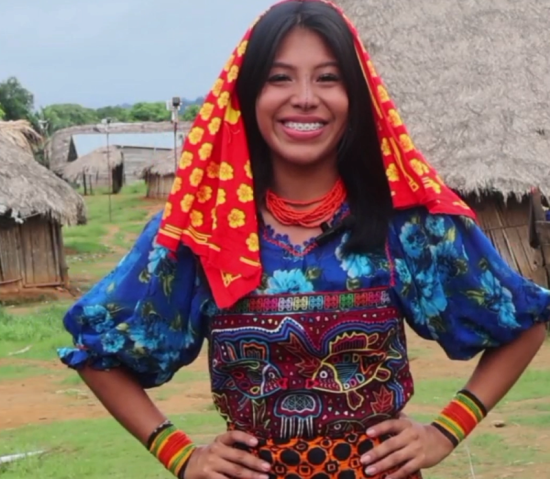
 RMCH Youth Programs through Comprehensive Sexuality Education and Global Dialogues RMCH Youth Programs through Comprehensive Sexuality Education and Global Dialogues
The Rotary Action Group for Reproductive, Maternal and Child Health (RMCH) is driving youth-led change through two complementary strategies: comprehensive sexuality education (CSE) and intergenerational youth dialogues. Together, these approaches aim to expand knowledge, break silence, and challenge the stigma that limits young people’s autonomy and well-being.
In India, RMCH partnered with the Capitol Hill Rotary and local Rotary clubs to implement school-based CSE in urban and rural areas of Kolkata and Asansol, West Bengal, reaching 829 adolescents. In the South East District of Delhi, Rotary clubs in Washington, D.C., and local Rotary club in Delhi supported a community-based CSE program implemented by the NGO Agragami, which engaged over 1,200 adolescent girls, including school dropouts. These programs addressed menstruation, sexual rights, STI prevention, contraception, mental health, and reproductive autonomy, targeting both in-school and out-of-school youth. In Guatemala, RMCH funded a culturally adapted adolescent health curriculum led by traditional midwives and Indigenous educators, aligned with UNESCO’s international technical guidance on sexuality education. Across all settings, pre- and post-test data show significant gains in understanding consent, preventing unintended pregnancy, and adopting safe hygiene practices. These initiatives create trusted spaces for learning, especially in communities where formal sexuality education is limited or absent.
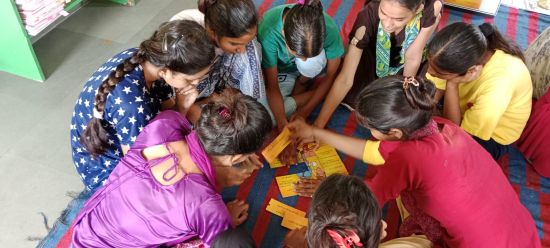 BIG PINK YOUTH DIALOGUES BIG PINK YOUTH DIALOGUES
In parallel, RMCH co-founded the Big Pink Youth Dialogues, a global initiative launched in Australia and India to give young people a platform to speak openly about sexual health, gender equity, and mental wellness. With Phalarope as strategic implementation partner, the initiative has expanded to over nine countries, including Panama, Bolivia, Costa Rica, Serbia, and Colombia, with planned growth in Africa and Central America.
Using flexible formats—live Zoom sessions, in-person gatherings, and pre-recorded discussions—the dialogues reach even remote Indigenous communities like Ngäbe-Buglé and Madugandí in Panama. Youth use these spaces to voice the barriers CSE seeks to overcome: stigma, misinformation, religious silence, and lack of access. The process is cyclical—dialogues surface real-world needs, while CSE builds the knowledge and confidence to respond and advocate for change.
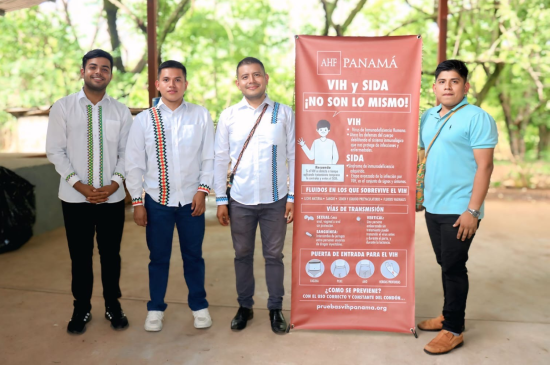
Phalarope and RMCH work together to turn insight into action—using ArcGIS to map youth feedback, providing on-site services like HIV testing in Panama (in partnership with AHS), and offering leadership and grant-writing workshops that help youth translate knowledge into meaningful community impact.
 IMPACT IMPACT
The impact is tangible. Post-dialogue surveys revealed that RMCH youth initiatives enhanced knowledge among participants in the CSE and youth dialogues. In Panama, the dialogues facilitated the formation of the first Indigenous-led Rotaract Club, the Rotaract Club Juventud Indigena de Panama.
Together, these programs demonstrate that when education meets voice, and knowledge meets advocacy, youth don’t just participate, they lead a movement for health, equity, and dignity.
DETAILS
View or download PDF about projects in West Bengal
View or download PDF about projects in Delhi
View or download PDF about Big Pink |


 Together for Healthy Families in Nigeria
 Empowering the Next Generation
 SDG 3.7 Universal Access to modern Family Planning
 TENA Technical Expert & Networking Alliance
 Training Resource Package
  WELCOMING THE UGANDA RMCH COUNTRY SECTION
 Contraceptive Counselling